
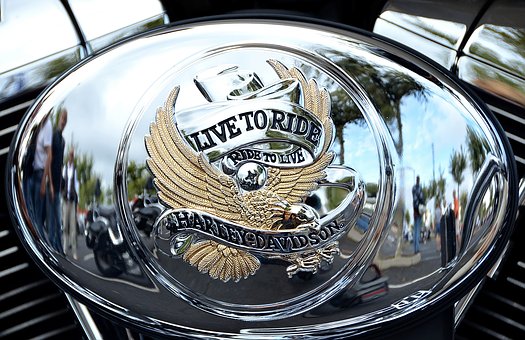
As consumers, we form deep emotional connections with our favourite brands. I’ve used Dove beauty bars since I was 16 and I’ve gone through all the colours, fragrances and variations. My latest romance is with the Exfoliating Argan Oil Beauty Cream Soap Bar. Luxurious, creamy and smells like heaven!! In my eyes, Dove can do no wrong. That is my emotional connection with the brand. Considering this emotional relationship, it is not surprising when brands are perceived by consumers as either masculine and feminine (or gender neutral), and allocated similar attributes. (1) The brands have taken note. Marketing, advertising and brand positioning deliberately contribute to this, in order to appeal to a targeted segment. A brand becomes like a person – male or female.
Brand personality is when human attributes are assigned to a brand. Adjectives such as funny, sophisticated, wholesome, endearing, rugged, masculine, feminine are assigned. Marketers and advertisers work to create an identity for these brands that will resonate with their target consumers. These adjectives naturally devolve into masculine and feminine traits, hence the ‘genderization’ of brands. Harley Davidson, for instance, has always represented ‘rebel’. The associations with James Dean come to mind. Patently non-conformist, the logo, the colours and the leather have lent a definite tough masculinity to the brand.
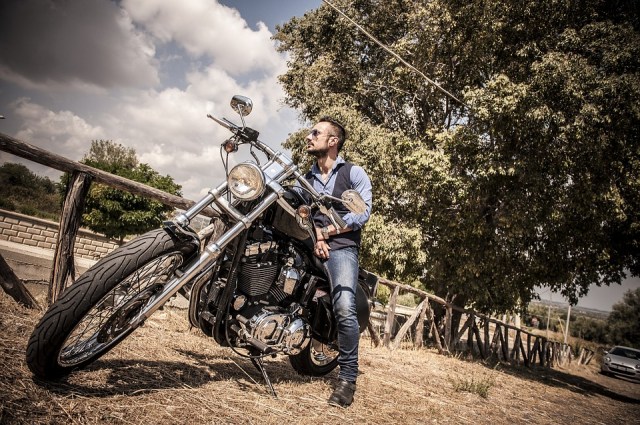
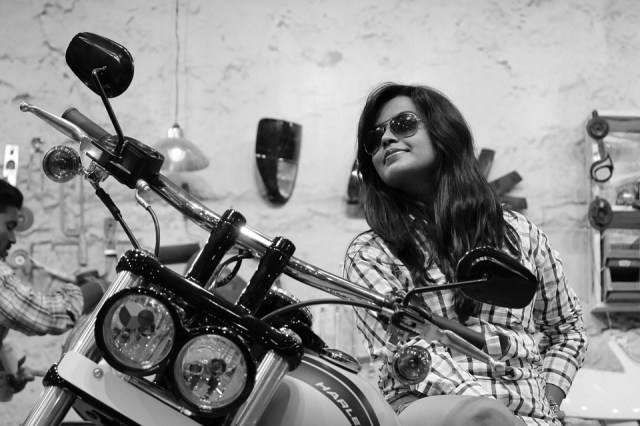
What is the impact of assigning these gendered attributes to brands and what effect does it have on their brand equity? It has been argued that brands that have, or nurture, a clear affinity with a certain gender (gender clarity), enjoy higher brand equity. (2) Brand equity can also be influenced by an affinity with the opposite sex. Dr. Theo Lieven’s 2014 study also showed that the gender of the brand could be different from the gender of the target segment, at least for a particular purpose. A good example is when Harley Davidson, in order to boost flagging sales, attempted to woo the female market by creating opportunities for females to gain bike riding skills by hosting garage parties and biking clubs for women and creating lighter, sleeker motorcycles that appeal to women. (3) Rather than reduce the masculinity of the brand, it incorporated the new strategy to build a bigger stronger brand by attracting women as well. Women are currently its fastest growing market, and Harley sells 7 times more than the competition, to this demographic.
Gender has become pretty fluid, these days. Biologically, we remain the same sex (of course!) However, under certain circumstances and environments, our different attributes and characteristics may move up and down the gender scale. A man behaves differently with different people under different circumstances. A macho guy in a club with his mates, turns into a big teddy bear with his girlfriend in a romantic hideaway. Is it not then more important to understand the gender of brands and how and when to apply them to resonate with the consumer, rather than merely linking them to the sex of the target segment?
I once bought Tom Ford’s Black Orchid for my husband and we ended up sharing it, until I went and bought one for myself. It had a musky, spicy fragrance that appealed to me. That led to an argument of whether it is masculine, feminine or unisex. I believe it is a men’s perfume. The packaging is totally masculine. Or perhaps it was cleverly marketed to women, as it originally was, knowing its appeal to both sexes. But while being a total girly girl with a lifelong passion for Estee Lauder, I tried Vivienne Westwood’s Boudoir and got hooked on spicy, musky scents.
Advertisers would do well to understand the ways different sexes could use their brands to express different gender attributes. And should be prepared to appeal to all sides of the consumer. No one is wholly masculine or feminine.
References:
- Alreck, P.L., Settle, R.B., & Belch, M.A. (1982) “Who responds to ‘gendered’ ads, and how? Masculine brands versus feminine brands” Journal of Advertising Research, 22(2), 25-32
- Lieven, T., Grohmann, B., Herrmann, A., Landwehr, J.R., van Tilburg, M. The Effect of Brand Gender on Brand Equity” Psychology & Marketing, Vol 31, Issue 5, May 2014, pp 371-385 https://onlinelibrary.wiley.com/doi/full/10.1002/mar.20701
- Interbrand, “Examining Gender Roles in the Context of Brand” n.d. accessed 23 November 2018, https://www.interbrand.com/views/examining-gender-roles-in-the-context-of-brand/
 hammersandflowers
Thank you for your blog! You made me learned a lot about the genderalization
Target segment of gender
Thank you! You made me understood that establishing brands with different personalities and gender characteristics is a good method to attribute consumers for sale.
I think that this impact on people’s purchasing behaviour come out from people’s association with positive feelings and attractiveness from masculinity and femininity. This is actually a result of human evolution (Lieven, et al., 2014). Some scientists found that because the brains between male and female is different, their preference and evaluation of products are not the same (Aswegen, 2015).
As a result, I believe a successful business man need to take their difference of gender in to account to make the product and its logo resonate with people’s want.
Lieven, T., Grohmann, B., Herrmann, A., Landwehr, J. R., & Van Tilburg, M. (2014). The effect of brand gender on brand equity. Psychology & Marketing, 31(5), 371-385.
Aswegen, A. V. (2015). Women vs. Men–Gender Differences in Purchase Decision Making.
LikeLike